Governance · Analysis
Trinidad and Tobago is giving the State more power. Trust is the harder question.
Two Bills, considered within days of each other, would expand coercive authority and loosen constraints on public spending. The common question is who can stop the State when something goes wrong.
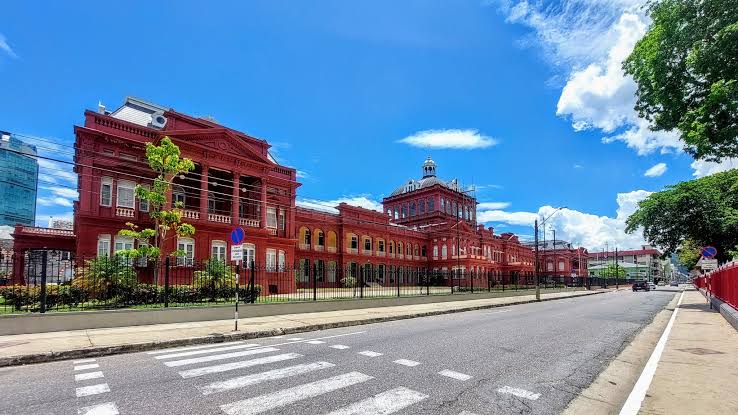
Within the space of days, Parliament has dealt with two laws that go to the heart of how Trinidad and Tobago is governed. One expands the machinery available to the State in confronting violent crime. The other proposes significant changes to the rules governing how the State spends public money. The connecting question is not whether the country needs effective government. It plainly does. It is how much discretion citizens should give the State when trust in institutions is already under strain.
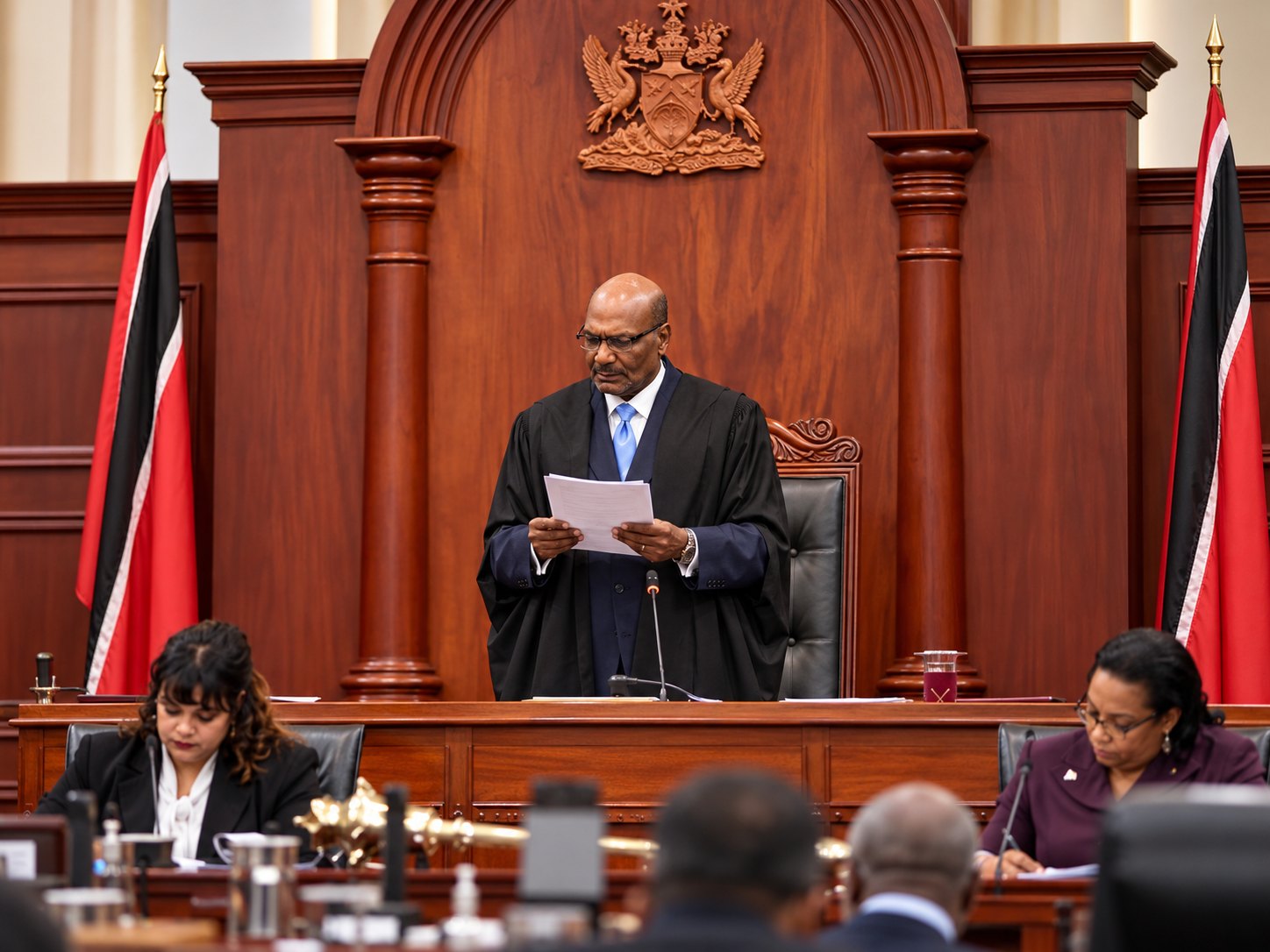
The Special Operations Bill offers the clearest example. In the early hours of 24 September, the Senate divided evenly: all 15 Government senators voted for the Bill, while six Opposition and nine Independent senators voted against it. Senate President Wade Mark then cast a deciding vote with the ayes, producing a recorded result of 16–15 and allowing the Bill to pass.[1] It has cleared both Houses of Parliament, but its provisions come into force only on a date fixed by presidential proclamation.
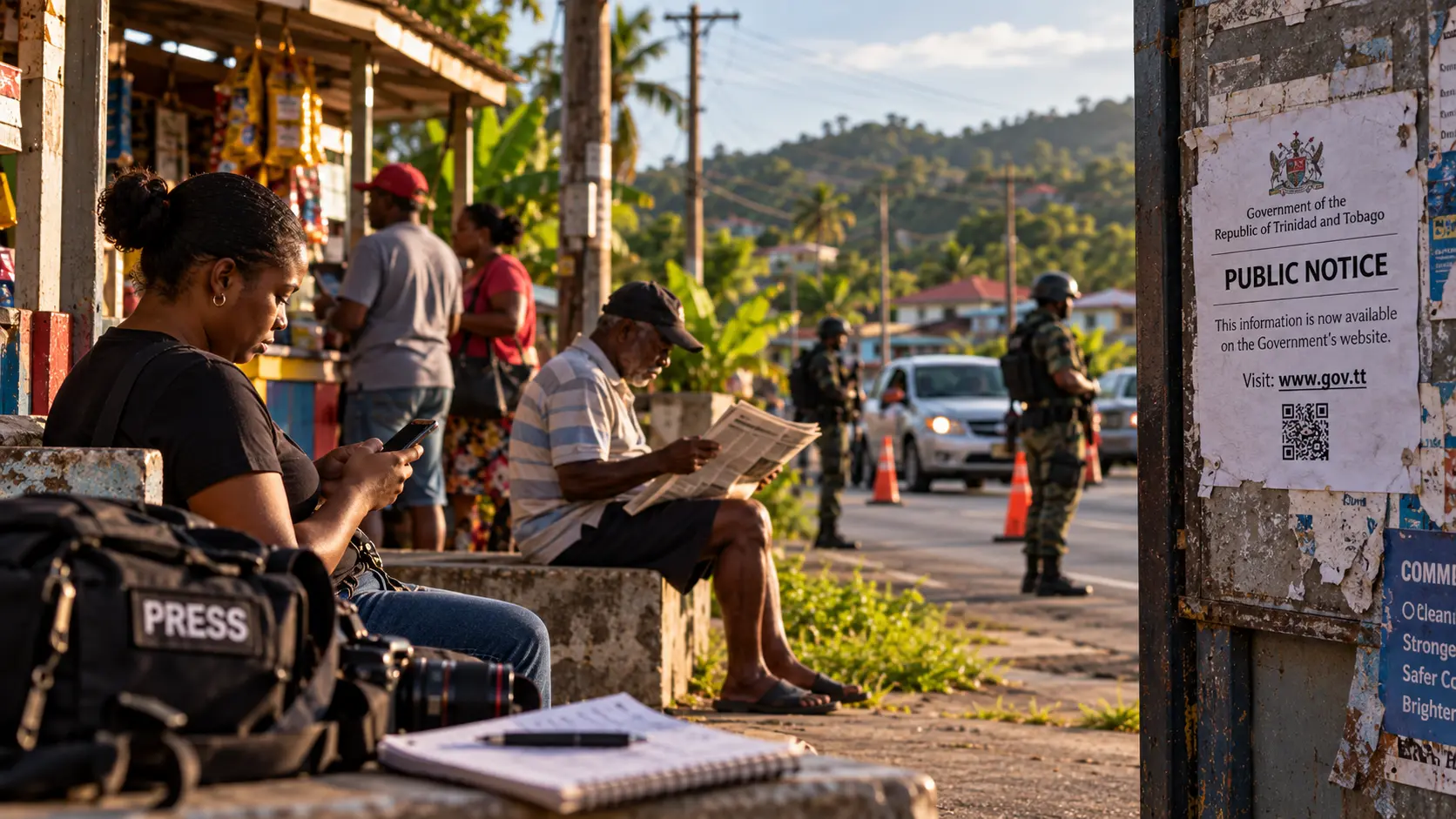
The Government says stronger tools are required to confront serious and gang-related crime. The Bill allows the President to declare a community a closed area where ordinary policing is considered insufficient. Inside that area, entry and exit may depend on a permit; cordons and curfews may be imposed; and police may search a person, vehicle or place without a warrant on reasonable suspicion.[2][3]
The difficult question is not whether citizens want crime brought under control. They do. It is what fear of crime eventually causes a society to accept. When people feel unsafe long enough, restrictions that once appeared extraordinary can begin to look reasonable. That does not automatically make those restrictions wrong. It does make scrutiny more important, because powers created for an urgent moment are available to the next government too.
The durable test is not whether citizens trust the administration exercising a power today. It is whether they would accept precisely the same power in the hands of an administration they distrust tomorrow.
A second test is already before the country. The Public Procurement and Disposal of Public Property (Amendment) Bill passed the House of Representatives on 23 September and was scheduled for debate in the Senate on 28 September. The Government says it is intended to remove bottlenecks, shorten delays and accelerate the delivery of public projects and services. Those are legitimate objectives. Bureaucracy can obstruct development, and a system is not sound merely because it contains many procedures.
But the text does more than shorten a process. Clause 4 would exempt procurement involving energy, national security, public-private partnerships for public housing and specified emergencies from the ordinary operation of the Act. It would also permit the Minister to exempt other procurement by Order.[4] Clause 5 would prevent the Office of Procurement Regulation, following a complaint or investigation, from staying a procurement, requiring a decision to be reconsidered, directing a re-evaluation or interfering with a contract award. Its recommendations would be advisory and non-binding.[5]
The Bill would also allow Permanent Secretaries and accounting officers of State bodies to approve procurement of up to $2 million outside the Act's procurement requirements, with a $500,000 threshold for municipal chief executives. It would shorten the standstill period available before a contract proceeds from 10–15 working days to five–10.[6][7]
The Trinidad and Tobago Transparency Institute has called for the legislation to be paused, arguing that the proposed exemptions and limits on the Regulator would weaken independent oversight. The Government's answer is that rigid procedures have delayed delivery, including major energy projects. Both positions should be stated fairly. The public can then examine whether speed requires these particular changes, and what remedy remains when a procurement appears to have gone wrong.
That is what connects the two debates. One concerns the coercive power of the State. The other concerns its financial power. In both, the Government argues that existing constraints make it harder to deliver what citizens demand. In both, Parliament is being asked to decide how much institutional friction is useful.
Democracies create friction deliberately. Courts create it. Auditors create it. Independent senators create it. Procurement regulators create it. Journalists create it. Sometimes that friction is frustrating. Sometimes it prevents a bad decision. The difficulty is knowing the difference before the consequences arrive.
Trinidad and Tobago's deeper problem may therefore be less about power than trust. When trust is high, discretion can look like efficiency. When trust is low, the same discretion looks like exposure. That is why the quality of institutions matters more than the popularity of the people temporarily occupying them. Governments change. Laws, precedents, contracts and coercive powers remain.
The country is not merely watching another Government win votes or another Opposition object. It is deciding what the State should be allowed to do when it says something is urgent.
Urgency is exactly when democracies discover whether their safeguards were obstacles — or protections.
Citations & source documents
- [1]Special Operations Bill, 2026 — passage and commencementDeclaration of a closed areaThe Senate divided 15–15 before the President of the Senate cast a deciding vote with the ayes. The final recorded division was 16–15. The Bill provides for commencement by presidential proclamation.
- [2]Special Operations Bill, 2026 — Clause 11Declaration of a closed areaAllows the President to declare a closed area where specified crime threatens public safety and ordinary law-enforcement measures are considered insufficient.
- [3]Special Operations Bill, 2026 — Clauses 12–15Search and seizure without warrantProvides for permits, cordons and curfews, and authorises warrantless search and seizure on reasonable suspicion within a closed area.
- [4]Procurement Amendment Bill, 2026 — Clause 4New categories exempted from the ActLists proposed exemptions including energy, national security, public-private housing partnerships and emergency procurement, and permits further exemptions by ministerial Order.
- [5]Procurement Amendment Bill, 2026 — Clause 5Limits on the Regulator's powers after an investigationWould bar the OPR from staying or reversing procurement decisions after an investigation and make its recommendations advisory and non-binding.
- [6]Procurement Amendment Bill, 2026 — Clause 7Procurement outside the Act up to new thresholdsSets proposed procurement thresholds outside the Act at $2 million for specified accounting officers and $500,000 for municipal chief executives.
- [7]Procurement Amendment Bill, 2026 — Clause 9Shorter standstill periodWould reduce the standstill period from 10–15 working days to five–10 working days.
Every document cited above is held on this site, with the key clauses, extracts and findings set out in full and a link to the document of record.
Cite this article
Outlets, researchers and broadcasters may quote this reporting with credit and a link to the original.
Robinson, P. (26 September 2026). "Trinidad and Tobago is giving the State more power. Trust is the harder question.". PearceRobinson.com. https://pearcerobinson.com/reporting/state-power-trust-special-operations-procurement
Sources
- 1Parliament of Trinidad and Tobago — Special Operations Bill, 2026
- 2Parliament of Trinidad and Tobago — Public Procurement Amendment Bill, 2026
- 3Trinidad Express — Senate deadlock and casting vote, 24 September 2026
- 4TTT News — Government's case for procurement changes, 23 September 2026
- 5Trinidad and Tobago Transparency Institute — concerns reported by Trinidad Guardian, 25 September 2026
Independent reporting by Pearce Robinson. Corrections and responses may be submitted here.