Justice
Hadeeds remain in prison after late-night Court of Appeal stay
The court sat late and stayed its own order for immediate release to house arrest, pending a Privy Council ruling. Justice reviewed, or justice delayed?
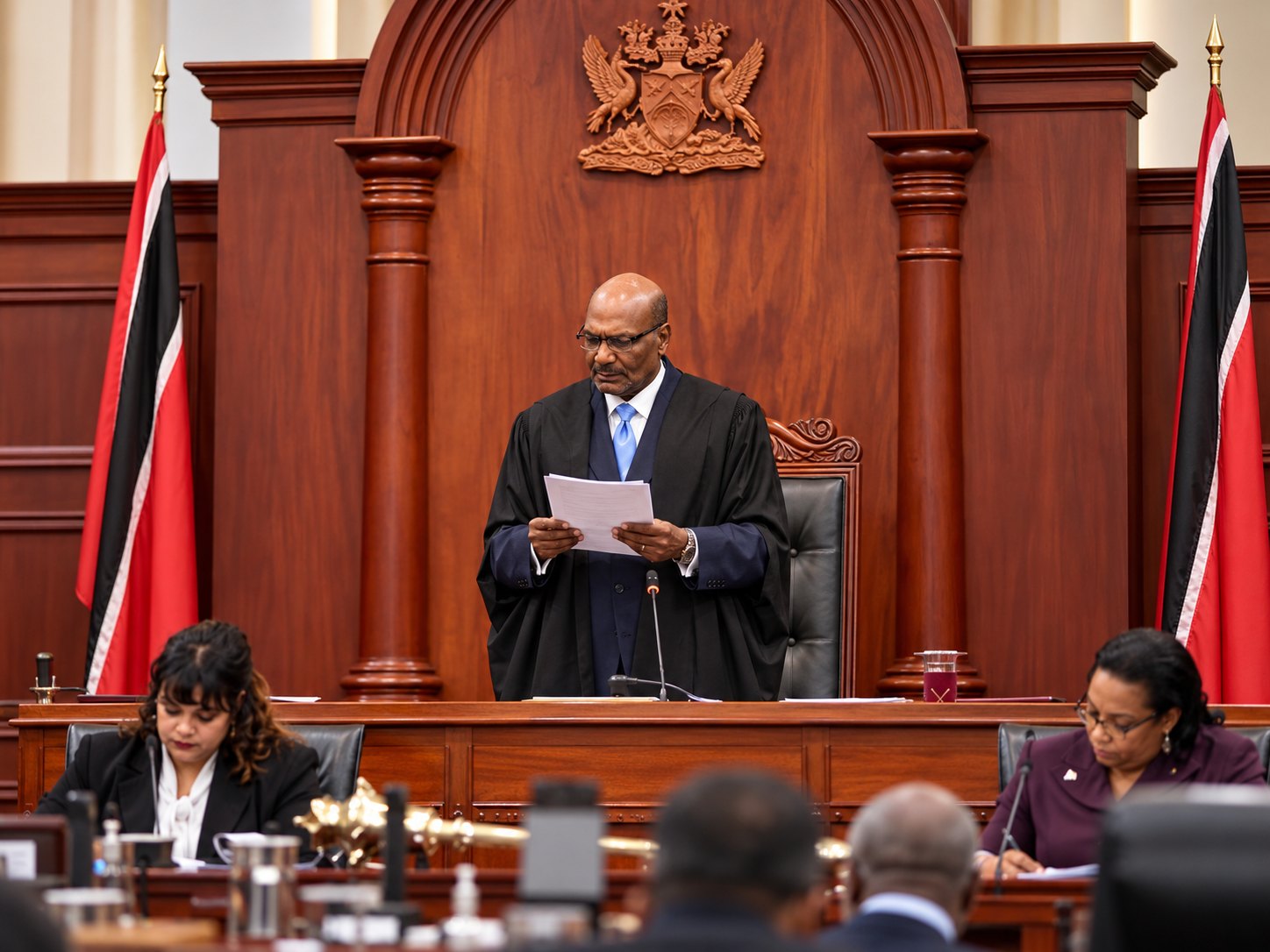
Shortly before midnight on Wednesday, three judges of the Court of Appeal returned to a sitting they had adjourned hours earlier and stayed their own order. The Hadeeds, who had been told that afternoon they would leave prison for house arrest, stayed where they were.
The stay holds until the Judicial Committee of the Privy Council in London rules on the State’s application. Attorneys for the State had argued that releasing the men before that ruling would make the appeal academic. Counsel for the Hadeeds told the court their clients had already spent longer in custody than the law allows without trial.
Courts in Trinidad and Tobago rarely reverse themselves within a single day. When they do, it usually means the judges accept that the point of law is serious enough to be settled in London first, and that liberty should not change hands in the meantime.
The cost of that caution is measured in months. The Privy Council lists appeals from the Caribbean on its own calendar, and an expedited hearing is not guaranteed. Until it rules, the Hadeeds remain in detention under an order the Court of Appeal itself found should not stand as made.
The case is one of several before the courts this year in which the length of pre-trial detention, rather than guilt or innocence, has become the central question. I have asked the Judiciary for current figures on remand prisoners held longer than two years.
Cite this article
Outlets, researchers and broadcasters may quote this reporting with credit and a link to the original.
Robinson, P. (16 July 2026). "Hadeeds remain in prison after late-night Court of Appeal stay". PearceRobinson.com. https://pearcerobinson.com/reporting/hadeeds-court-of-appeal-stay
Independent reporting by Pearce Robinson. Corrections and responses may be submitted here.