Caribbean Affairs
Extrajudicial at sea: 234 dead, and a region that will not say the word
A United Nations rapporteur has called the Caribbean boat strikes serial extrajudicial killings. Two Saint Lucians are dead. Trinidad and Tobago declines to characterise any of it.
On 22 September 2026, the United Nations Special Rapporteur on human rights while countering terrorism, Ben Saul, published a briefing note for the Human Rights Council. Its conclusion was not hedged. The United States campaign of lethal strikes on vessels in the Caribbean and eastern Pacific amounts, he wrote, to serial extrajudicial killings in violation of the right to life — unjustified under self-defence, international humanitarian law, the law of the sea, the narcotics conventions or counter-terrorism law, and potentially constituting crimes against humanity.[1]
On the same day, more than seventy legislators from thirteen countries issued a joint statement recording at least 234 people killed in over 68 strikes since the campaign began on 2 September 2025, and noting the United States government's own assessment that the strikes have not reduced the flow of cocaine.[2]
These are the waters between Trinidad and Venezuela, and the boats left from ports on this side of the hemisphere. With very few exceptions, the governments of this region have declined to describe what is happening in them.
The first strike, on 2 September 2025, killed eleven people.[3] Within hours, the Prime Minister of Trinidad and Tobago welcomed the deployment and its stated mission, and said the government would not be taking the matter to CARICOM.[4] That position has held.
The campaign in numbers, 2 September 2025 to 22 September 2026
- 234+
- People killed
- 68+
- Strikes
- 0
- Public prosecutions of those killed
Figures as recorded in the joint statement of legislators from thirteen countries. No independent verification of victim identities exists for most strikes.
Source · Joint Statement by Legislators of the Americas, 22 September 2026
It has held even as the deaths became regional. On 13 February 2026, two Saint Lucian nationals, Ricky Joseph and Nafi Williams, were killed in a strike. At the 51st Heads of Government meeting in Saint Lucia on 9 July 2026, the CARICOM Chair, Prime Minister Philip J. Pierre, confirmed that no information had been supplied about their deaths, and that the matter stood — five months on — as a missing persons case. Trinidad and Tobago declined to call the deaths murders.[5]
Two citizens of a CARICOM member state are killed by a foreign power in Caribbean waters. There is no body, no inquest, no post-mortem, no charge sheet, no evidence disclosed to the state of nationality, and no answer to the request made through the regional organisation. A family is told their relatives are missing.
The legal position is not seriously contested outside the government that is conducting the strikes. Interdiction at sea under the narcotics conventions is a policing power: board, search, seize, arrest, prosecute. It does not carry a licence to kill, and suspicion of smuggling has never been a capital offence in any jurisdiction in this hemisphere. Every person killed in those 68 strikes was, in law, a person presumed innocent.
The argument for silence is the argument of a small state: Trinidad and Tobago's security, energy and financial interests all run through Washington, and objecting is expensive. That is a real calculation and it deserves to be stated openly rather than dressed as a factual position about the absence of evidence.
But there is a narrower question that cannot be answered by geopolitics, and it is the one I am pursuing. Have any nationals or residents of Trinidad and Tobago been killed in these strikes? The government has not said. It is not clear that it has asked. I have filed written questions on the point with the Ministry of Foreign and CARICOM Affairs and the Office of the Attorney General.
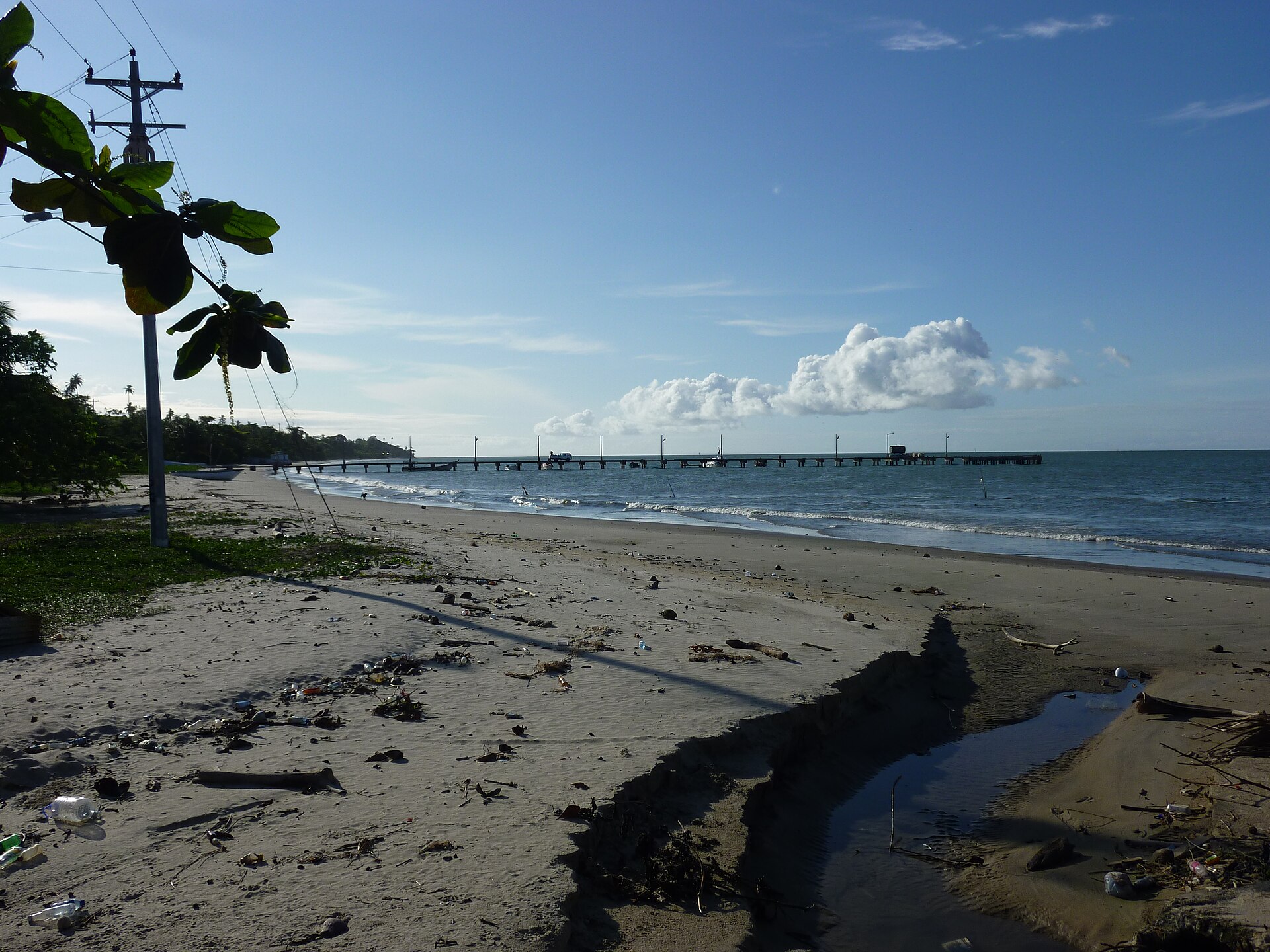
In Cedros, eleven kilometres from the Venezuelan coast, fishermen say they no longer go out after dark. None of them would give a name.
Citations & source document
- [1]UN Special Rapporteur Ben Saul, briefing note, 22 September 2026UN Special Rapporteur: serial extrajudicial killingsConcludes the strikes amount to serial extrajudicial killings in violation of the right to life and are not justified under any applicable body of law.
- [2]Joint Statement by Legislators of the Americas, 22 September 2026At least 234 killed in more than 68 strikesAt least 234 people killed in over 68 strikes since 2 September 2025; signed by more than seventy legislators from thirteen countries.
- [3]The first strike, 2 September 2025The first strike, 2 September 2025Eleven people reported killed in the first announced strike on a vessel departing Venezuela.
- [4]Trinidad and Tobago's stated position, September 2025Trinidad and Tobago's stated positionThe Prime Minister welcomed the United States naval deployment and said the government would not be engaging CARICOM on the issue.
- [5]CARICOM, 51st Heads of Government meeting, 9 July 2026CARICOM: an unanswered request and a missing persons caseNo information provided on the deaths of Ricky Joseph and Nafi Williams; the CARICOM Chair described it as a missing persons case.
Every document cited above is held on this site, with the key clauses, extracts and findings set out in full and a link to the document of record.
Cite this article
Outlets, researchers and broadcasters may quote this reporting with credit and a link to the original.
Robinson, P. (23 September 2026). "Extrajudicial at sea: 234 dead, and a region that will not say the word". PearceRobinson.com. https://pearcerobinson.com/reporting/extrajudicial-at-sea-caribbean-strikes
Independent reporting by Pearce Robinson. Corrections and responses may be submitted here.