National Security
Special Operations Bill: Kamla says UNC areas will get “hard policing”
The Prime Minister will authorise special operations in 26 UNC-held constituencies, 70 local government districts and two TPP-held seats. What it means for your home, business and freedom.
Prime Minister Kamla Persad-Bissessar said on Monday that constituencies held by her own party would be among the first to see what she called “hard policing” once the Special Operations Bill 2026 becomes law.
By her count, that covers 26 seats held by the United National Congress, about 70 local government districts and the two Tobago seats held by the Tobago People’s Party. The remark answered an opposition charge that the powers would be aimed at its strongholds. It also placed most of the country’s population inside the reach of the Bill.
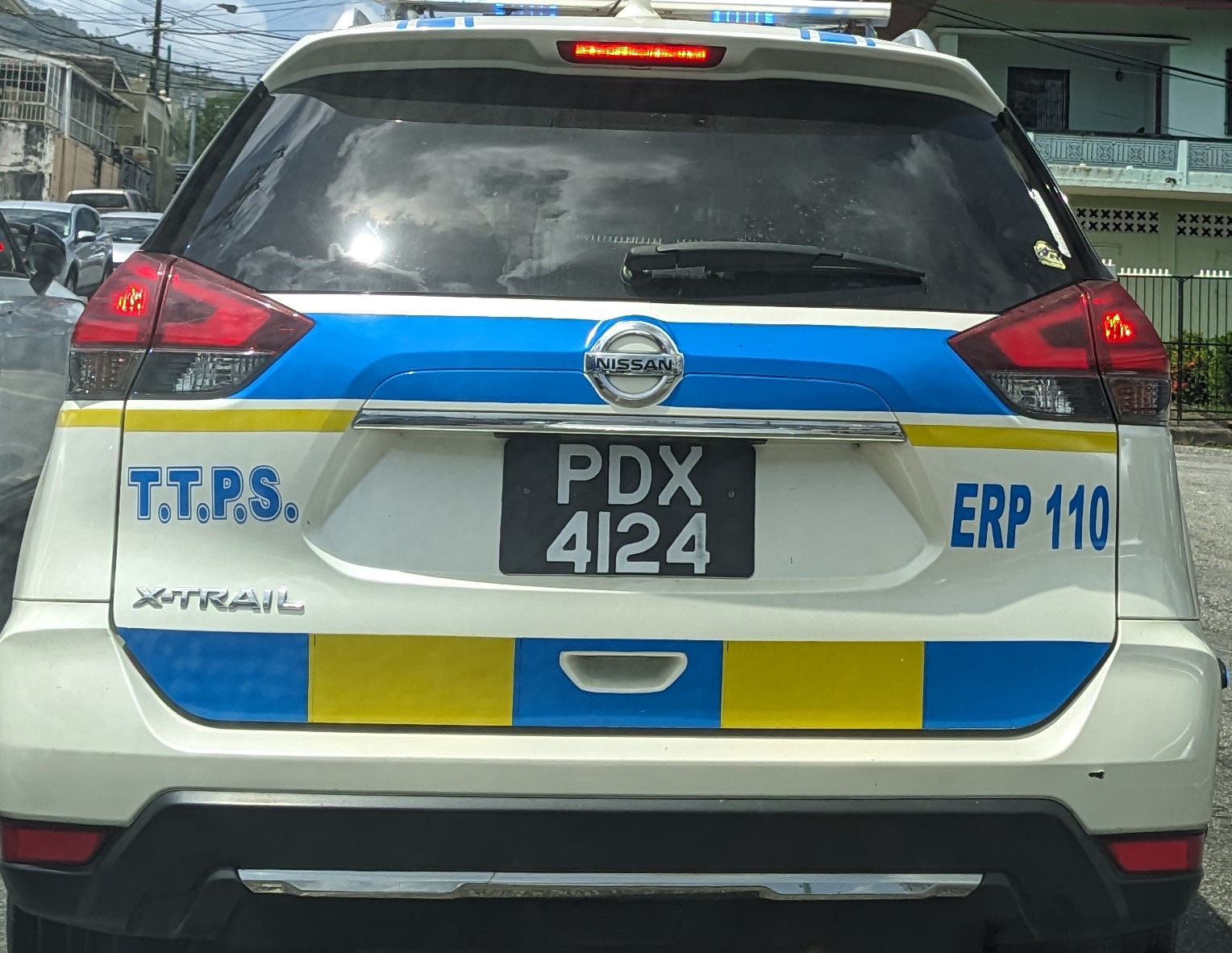
Under the Bill, the President may declare a closed area by order,[1] police and soldiers may cordon it and require permits to enter or leave,[2] a curfew may confine residents to their homes,[3] and officers may search any person, vehicle or building inside it without a warrant.[4] A person arrested must be brought before a magistrate, who may remand for up to 48 hours before a High Court judge decides on further detention.[5]
None of those powers depends on how a constituency voted. A curfew in Chaguanas West confines a UNC voter in the same way a curfew in Laventille East confines a PNM one.
The last state of emergency, declared in December 2024 and extended into 2025, produced hundreds of detentions. The Ministry of National Security has not published how many led to charges, or how many of those charges resulted in convictions. I have requested those figures under the Freedom of Information Act.
The Bill goes to the Senate this week. The opposition has said it will not support it without amendments on oversight and compensation; the Government needs at least one Independent senator to pass it.
Citations & source document
- [1]Special Operations Bill, 2026 — Clause 11Declaration of a closed areaThe President may declare a closed area where violent crime, gang activity or illegal weapons threaten public safety and ordinary measures are insufficient.
- [2]Special Operations Bill, 2026 — Clause 13Cordons and permitsCordons by barrier or roadblock, with permits required to enter or exit and an offence for non-compliance.
- [3]Special Operations Bill, 2026 — Clause 14CurfewsCurfew imposed by Order of the President, requiring persons to remain in their premises during specified hours unless permitted.
- [4]Special Operations Bill, 2026 — Clause 15Search and seizure without warrantWarrantless search of any place, vehicle or person on reasonable suspicion, with power to seize vehicles, articles and documents.
- [5]Special Operations Bill, 2026 — Clause 17Arrest and detentionArrest and detention on reasonable grounds; the detainee must be brought before a Magistrate, who may remand for up to forty-eight hours before a High Court Judge decides.
Every document cited above is held on this site, with the key clauses, extracts and findings set out in full and a link to the document of record.
Cite this article
Outlets, researchers and broadcasters may quote this reporting with credit and a link to the original.
Robinson, P. (21 September 2026). "Special Operations Bill: Kamla says UNC areas will get “hard policing”". PearceRobinson.com. https://pearcerobinson.com/reporting/special-operations-bill-hard-policing
Independent reporting by Pearce Robinson. Corrections and responses may be submitted here.