
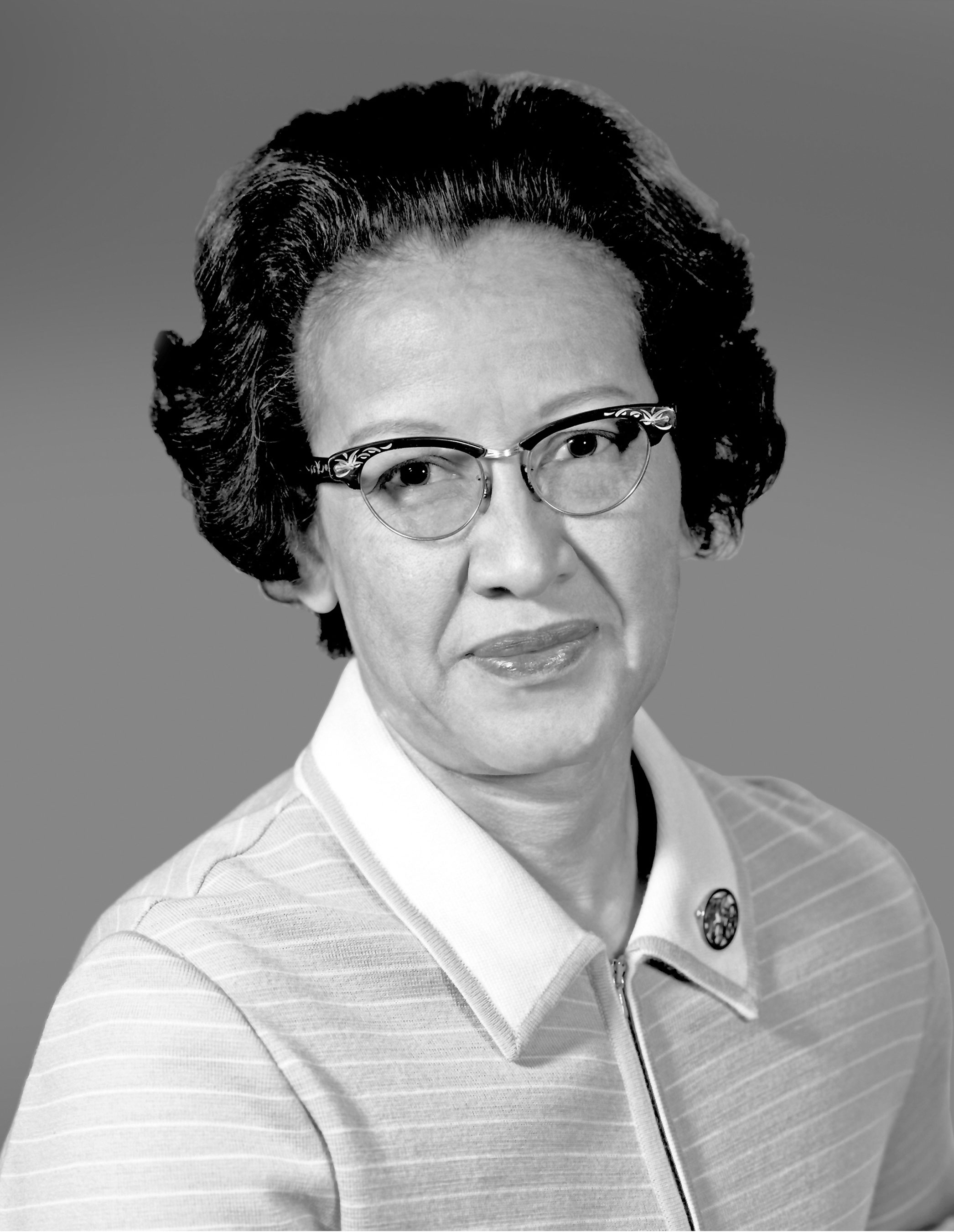
The contribution
Katherine Johnson worked on aircraft and spacecraft trajectories at NACA and NASA. Her mathematical work connected a launch, a moving spacecraft and a safe return to Earth. A trajectory is a prediction under physical assumptions, rather than simply a line drawn between two places.
For John Glenn’s 1962 orbital mission, Johnson checked the equations and numerical calculations produced by electronic computers. NASA records her contributions across Mercury, Apollo and the Space Shuttle programme.
Her work demonstrates why independent calculation matters in safety-critical systems. A computer can execute a procedure quickly; the underlying model, inputs and numerical result still require scrutiny.
Source record
Read the on-site evidence record ↗
Further institutional record ↗
Filed 20 November 2026 / Pearce Robinson
Next: Dr. Gladys West