
The contribution
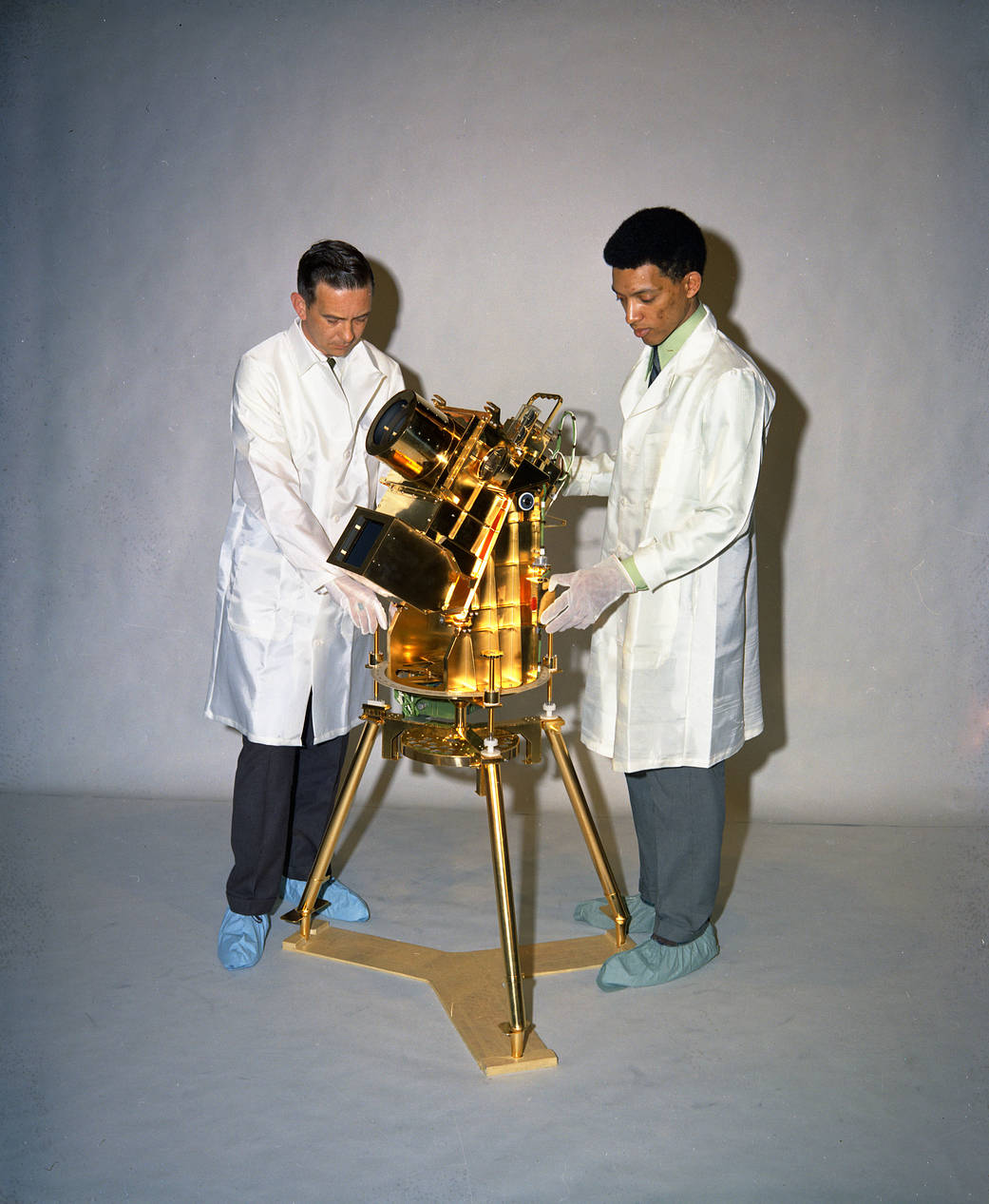
George Carruthers developed a far-ultraviolet camera and spectrograph at the U.S. Naval Research Laboratory. Apollo 16 astronauts operated the instrument from the Moon in April 1972.
Ultraviolet light reveals physical processes that ordinary visible-light photography cannot. A spectrograph separates radiation by wavelength, allowing researchers to investigate composition and emissions. Earth’s atmosphere blocks much incoming ultraviolet light, which makes observations from outside it valuable.
Carruthers’ 1973 instrument paper records the design, operating principles and mission operations. The lunar experiment studied Earth’s upper atmosphere and geocorona, the interplanetary medium and celestial objects.
Source record
Read the on-site evidence record ↗
Carruthers, Applied Optics (1973) — instrument and operations ↗
Further institutional record ↗
Filed 20 November 2026 / Pearce Robinson
Next: Dr. Simone Badal