
The contribution
Plasma is the liquid portion of blood, containing proteins and electrolytes. Separating and preserving it made it possible to transport supplies more readily than whole blood under the conditions of the period.
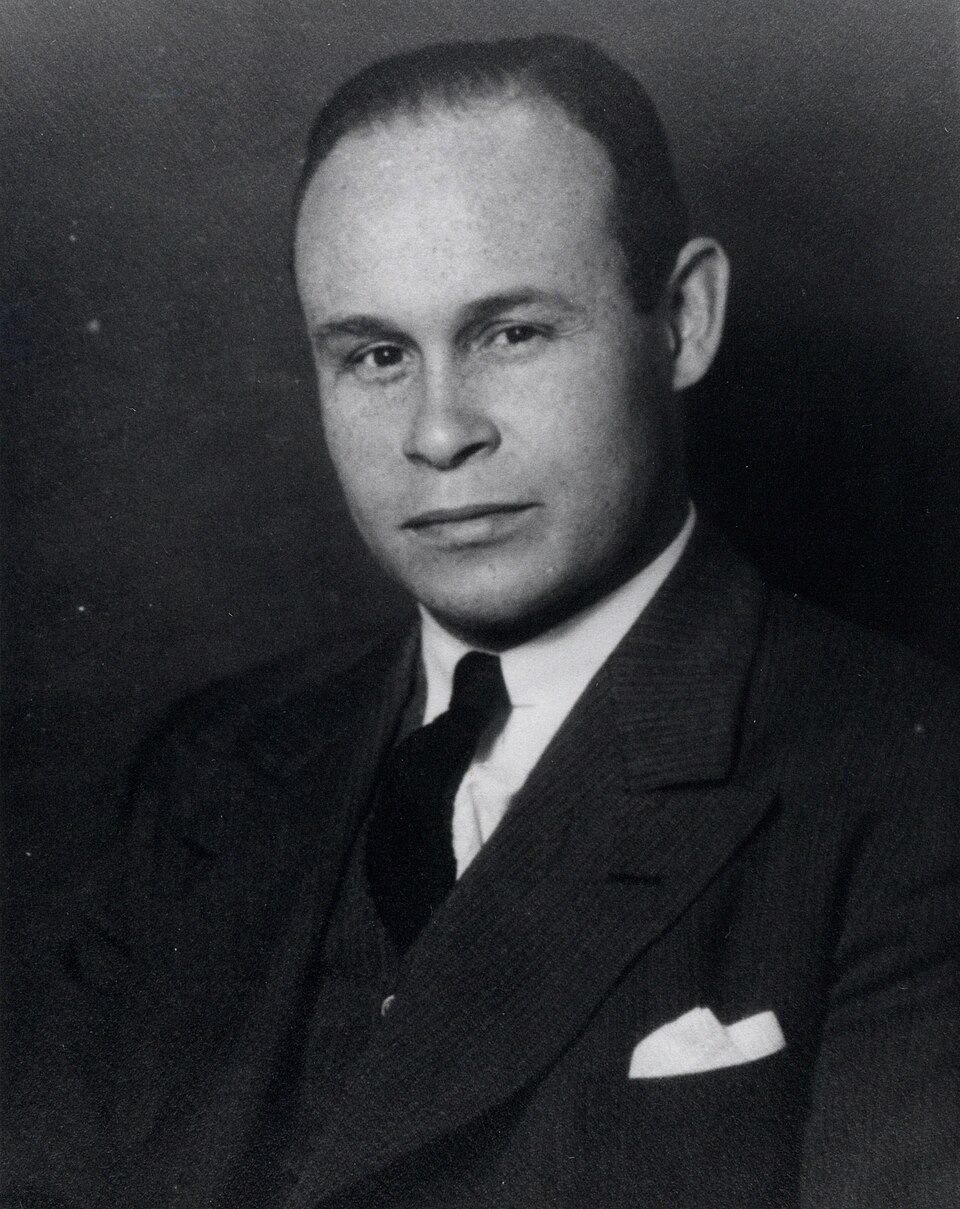
Drew’s 1940 doctoral thesis, Banked Blood: A Study in Blood Preservation, developed the scientific basis of his work. With physician John Scudder and their colleagues, he helped organise Blood for Britain and standardise collection, processing and shipment.
He later directed the American Red Cross blood-bank pilot programme. He opposed racial segregation of donated blood, which had no scientific basis. Modern transfusion practice also requires product-specific compatibility checks and infection screening.
Source record
Read the on-site evidence record ↗
National Library of Medicine — Charles Drew and blood banking ↗
Further institutional record ↗
Filed 20 November 2026 / Pearce Robinson
Next: Bertie Marshall