Press Freedom
The courts took six years to protect a source. The Bill would take the protection back.
In April the Court of Appeal held the police search of a newsroom unconstitutional. Five months later Parliament is asked to authorise searches with no warrant at all.
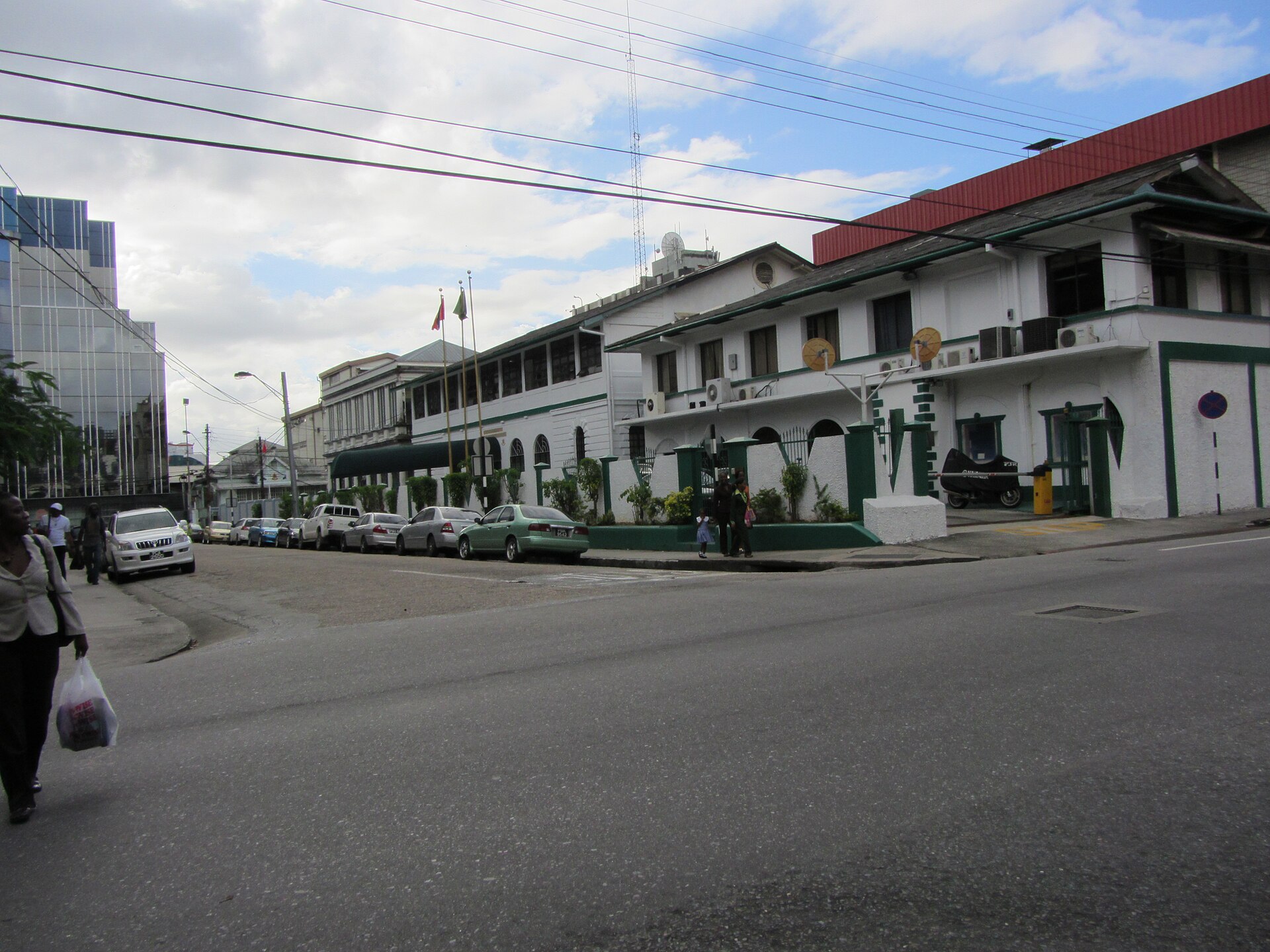
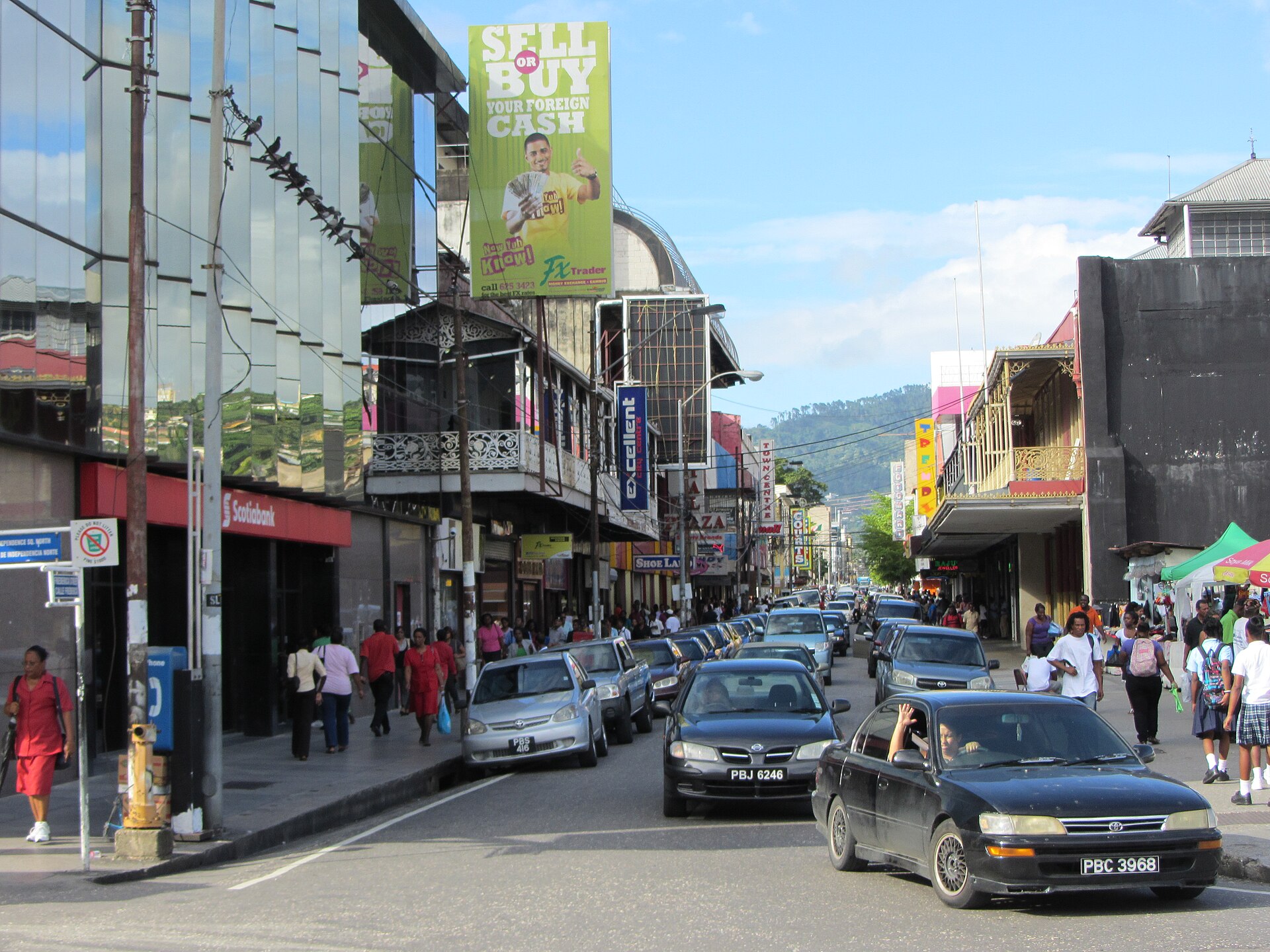
In March 2020, police officers went into the offices of a national newspaper and removed four flash drives from the editor's desk. They were not looking for evidence that the newspaper had committed an offence. They were looking for the person who had told a reporter about the suspicious finances of a senior police officer.[3]
On 29 April 2026, the Court of Appeal held that the search was unconstitutional, upholding the High Court's ruling of January 2021 and awarding $25,000 in compensation. Justices Bereaux and Rajkumar formed the majority; Justice Aboud dissented.[1] Justice Bereaux put the principle at the centre of the judgment: the sanctity of journalistic sources.[2]
The timeline sits beside the ruling. The raid took place in 2020. The first ruling came in 2021. The State appealed, and the final answer arrived in 2026.[4] Six years is long enough for a source to change jobs, to be identified by other means, or to conclude that the protection is theoretical.
That is the practical lesson for anyone thinking of speaking to a reporter in this country: the constitutional protection exists, it works, and it works slowly.
Six years from raid to final ruling
- 6 years
- Raid to final judgment
- $25,000
- Compensation awarded
- 19 → 32
- Press freedom ranking, 2025 to 2026
A newsroom search held unconstitutional at first instance in January 2021 was not finally determined until April 2026. Trinidad and Tobago fell thirteen places in the 2026 World Press Freedom Index.
Source · Court of Appeal judgment, 29 April 2026; RSF 2026 Index as cited by MATT, 3 May 2026
In May, Reporters Without Borders recorded Trinidad and Tobago falling thirteen places in its World Press Freedom Index, from nineteenth to thirty-second, with the local media association citing political influence on editorial independence, the absence of a witness protection scheme, self-censorship in the face of violent crime, and organised digital harassment of journalists.
In September, Parliament was asked to pass a Bill whose clause 15 authorises the search of any place and the seizure of any document, in a declared area, without a warrant from a judge — with no exception on the face of the clause for journalistic material or confidential sources.
The protection the Court of Appeal affirmed in April is a protection against a search conducted under a warrant that a court could later examine. Clause 15 removes the warrant. A seizure carried out under it would be lawful on its face, and the journalist's remedy would be the one just demonstrated: a constitutional claim, an appeal, and a ruling six years later.
Nothing suggests the Bill was drafted with the press in mind. A power drafted without the press in mind is exactly the kind that swallows a protection built up case by case over two decades, because nobody thought to write the exception down.
Parliament has the April judgment in front of it. It sets out, in the words of the country's own appellate court, why journalistic material is different. Transposing that reasoning into clause 15 would take a single subsection.
Citations & source documents
- [1]Court of Appeal judgment, 29 April 2026 — HoldingThe search was unconstitutionalThe search of the newspaper's offices and the seizure of material from the editor's office breached the freedom of the press protected by section 4(k) of the Constitution. Compensation of $25,000 awarded.
- [2]Court of Appeal judgment — Sanctity of journalistic sourcesThe sanctity of journalistic sourcesJustice Bereaux identified the sanctity of journalistic sources as the governing principle; the search was directed at identifying the reporter's source.
- [3]Court of Appeal judgment — The March 2020 searchWhat was seized, and whyFour flash drives were removed from the editor's office in an effort to identify the source of reporting on a senior police officer's finances.
- [4]One Caribbean Media Group Ltd v The Attorney General, TT 2021 HC 10The first-instance ruling stood for five yearsThe High Court ruled the raid unconstitutional on 13 January 2021; the State's appeal was not finally determined until April 2026.
- [5]Special Operations Bill, 2026 — Clause 15Search and seizure without warrantWarrantless search and seizure in a closed area, with no exception on the face of the clause for journalistic material or confidential sources.
Every document cited above is held on this site, with the key clauses, extracts and findings set out in full and a link to the document of record.
Cite this article
Outlets, researchers and broadcasters may quote this reporting with credit and a link to the original.
Robinson, P. (19 September 2026). "The courts took six years to protect a source. The Bill would take the protection back.". PearceRobinson.com. https://pearcerobinson.com/reporting/express-ruling-and-the-bill
Independent reporting by Pearce Robinson. Corrections and responses may be submitted here.