Public Finance
Dragon: the country's biggest energy bet, and nobody will publish the terms
A replacement licence was announced in October 2025. A year later the revenue split is still unpublished, the drilling tender is out, and the legal basis rests on a government installed after a foreign capture.
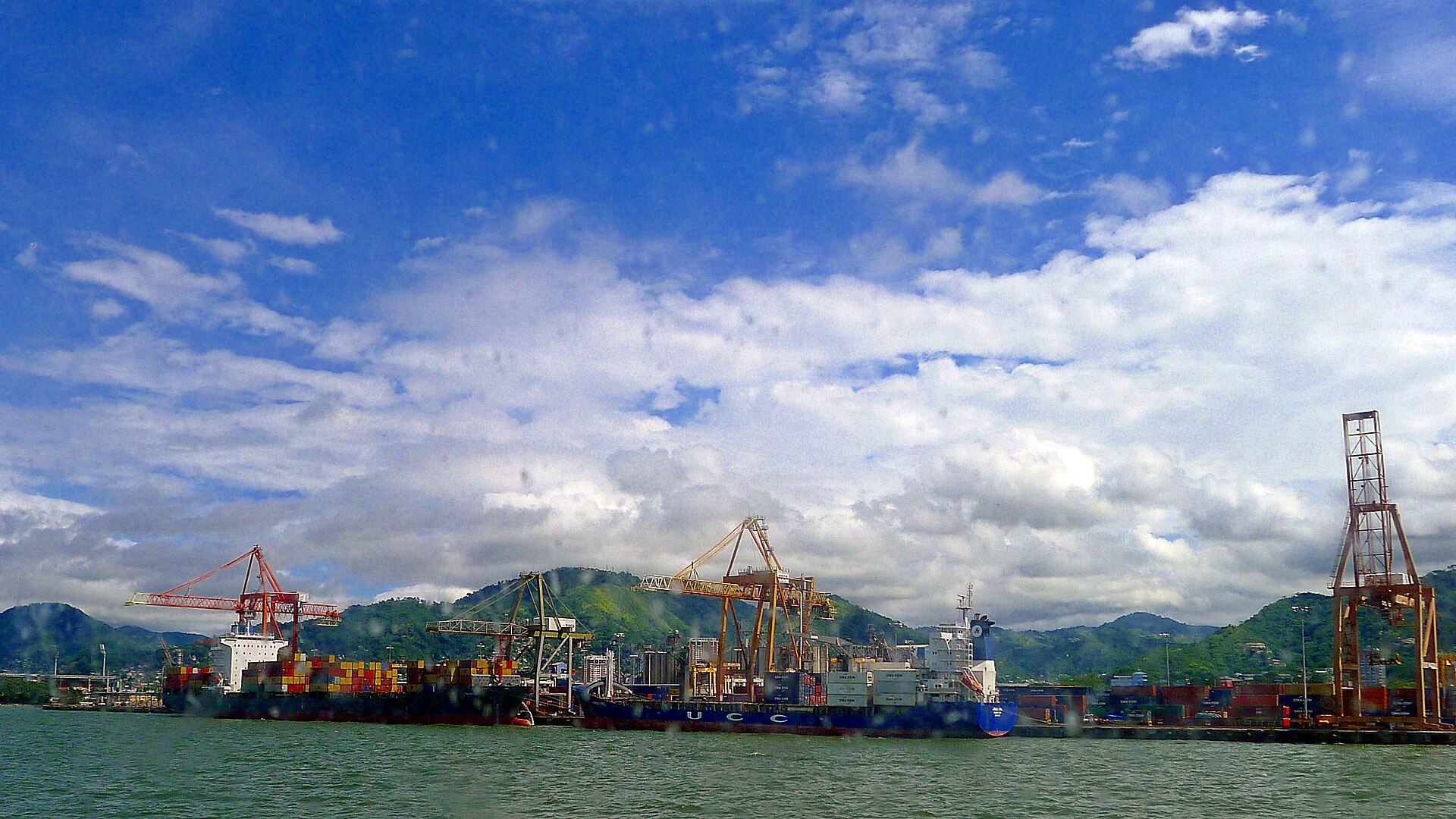
The Dragon field is the single largest item in Trinidad and Tobago's energy future. It is also the least documented.
The chronology is public. A licence signed in December 2023 guaranteed Venezuela no less than 45 per cent of gross revenues over a thirty-year term, with a variable-consideration mechanism if that share fell short. In April 2025 the incoming United States administration revoked the sanctions licences the project depended on. In October 2025 the government announced that a new licence had been secured — and did not publish its terms. In February 2026 Shell said fresh general licences would let it proceed. In July 2026 it went to tender for a four-well drilling campaign targeting a start in the second quarter of 2027, subject to a final investment decision that has not been taken.
Every element of that sequence is confirmed. The one thing that is not is the part that determines what the country earns.
What is known, and what is withheld
- 30 yrs
- Term of the 2023 licence
- 45%
- Venezuela's guaranteed share, 2023 terms
- Undisclosed
- Terms of the 2025 replacement licence
The 2023 licence guaranteed Venezuela no less than 45 per cent of gross revenues. Whether that floor survives in the replacement licence has not been disclosed by either government.
Source · Public reporting and company statements, December 2023 to July 2026
Production-sharing and revenue terms in cross-border gas arrangements are routinely published, and the counterparties already know them; the only party kept in the dark is the public that owns the resource on this side of the border. Commercial confidentiality is a real doctrine, but it protects competitive information from rivals. It does not ordinarily extend to the headline share of revenue accruing to a state.
The Venezuelan government now signing on the other side took office in January 2026, after the capture of the previous head of state by a foreign power, and amended its Organic Hydrocarbons Law later that month to lower royalties and permit international arbitration. Whether the 45 per cent floor survived that transition, was renegotiated, or was replaced by something else, is unknown here.
So is the durability of the legal basis. The project proceeds under United States general licences that were issued after a change of government in Caracas and can be revoked as the previous ones were in April 2025. A thirty-year investment resting on an instrument that has already been withdrawn once within the same decade is a risk that belongs in front of Parliament, not inside a ministry.
I have requested three documents: the text of the replacement licence or heads of agreement from the Ministry of Energy and Energy Industries; the specific general licence numbers and their terms, from the United States Treasury; and the National Gas Company's disclosures on Dragon in its most recent annual accounts. Shell's own risk disclosures on the project, which are public, will be read against whatever is provided.
Dragon may well be the right commercial decision; the case for monetising stranded gas next door to idle liquefaction capacity is strong. But a country cannot judge a thirty-year deal while the share it receives is a state secret.
The drilling contract is expected to be announced within weeks. The terms should be on the table before the rig is.
Cite this article
Outlets, researchers and broadcasters may quote this reporting with credit and a link to the original.
Robinson, P. (6 August 2026). "Dragon: the country's biggest energy bet, and nobody will publish the terms". PearceRobinson.com. https://pearcerobinson.com/reporting/dragon-gas-terms-undisclosed
Independent reporting by Pearce Robinson. Corrections and responses may be submitted here.